
In The Spotlight
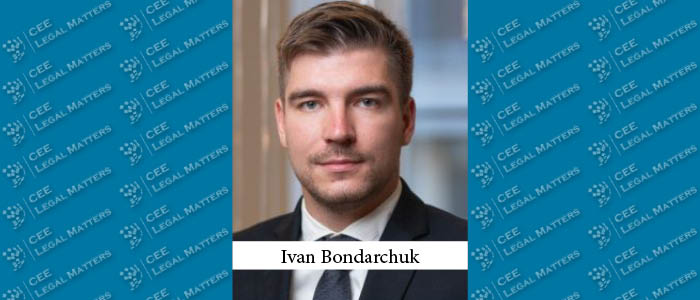
LCF Law Group’s Energy and Projects practice has had a busy year in Ukraine, with Partner Ivan Bondarchuk highlighting major energy infrastructure mandates – from renewables and storage to gas power plants – alongside critical road and grid projects, post-war recovery initiatives, and increasing interest from international investors preparing for the post-war market.
More Featured Analysis
Subscribe Now

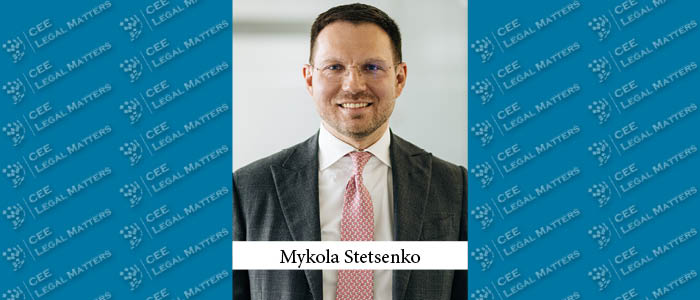
Ukraine is cautiously advancing with economic reforms, especially in governance and institutional appointments, and nurturing investor interest despite ongoing challenges, according to Avellum Managing Partner Mykola Stetsenko. Key sectors like defense and state-owned enterprises are evolving, while the legal market is becoming more professional and dynamic.
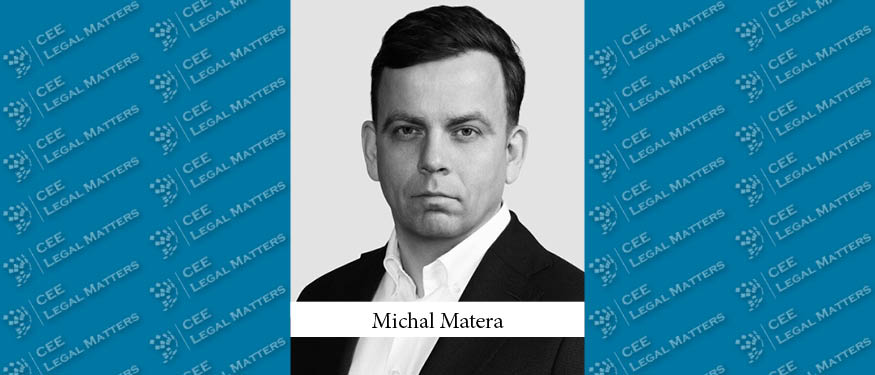
With signs of recovery evident across multiple real estate segments, Poland's property market appears to be on a positive trajectory, according to A&O Shearman Partner Michal Matera, who highlights recent deal trends, legislative developments, and the long-awaited introduction of a domestic REIT-style investment framework.
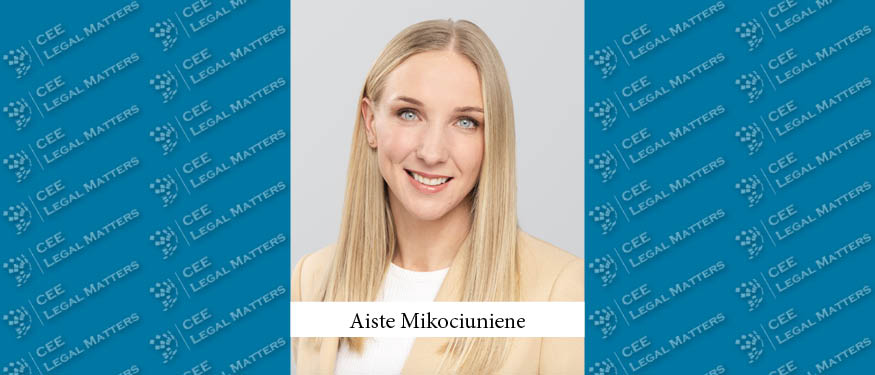
Sweeping tax reform, corporate governance, and procurement regulation updates have been the main legislative developments in Lithuania this year, according to Widen Partner Aiste Mikociuniene. While some of the changes bring modernization and new incentives, Mikociuniene warns that increased burdens and uncertainties could weigh heavily on businesses and legal professionals alike.
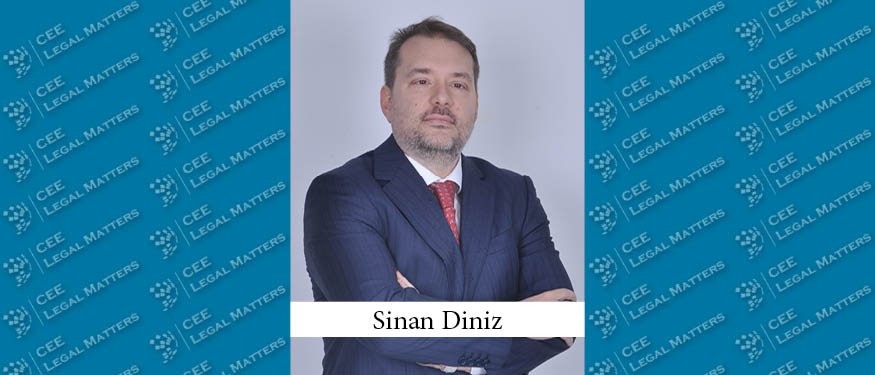
Turkiye is seeing a surge in regulatory enforcement, particularly in the areas of antitrust and environmental compliance, according to KST Law Partner Sinan Diniz. From high-profile investigations into global tech giants to the adoption of a new Climate Law, regulators are keeping up with both local and global trends.
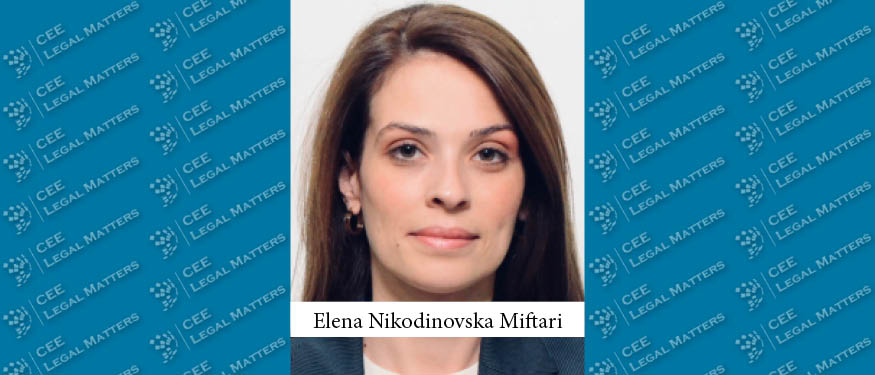
In recent months, North Macedonia has introduced key legislative reforms in digital transformation, construction, energy, and the judiciary to support its economic and institutional development, according to Law Office Emil Miftari Attorney at Law Elena Nikodinovska Miftari.
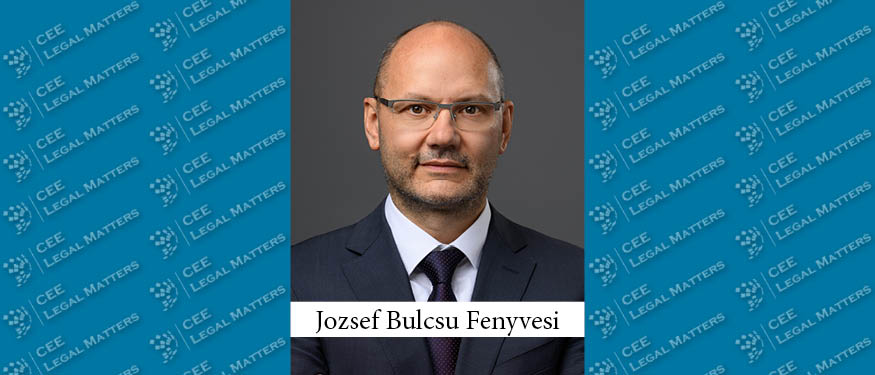
Hungary’s M&A market may have had a slower start to the year, but activity quickly ramped up, keeping lawyers busier than ever, according to Oppenheim Partner Jozsef Bulcsu Fenyvesi. Still, Fenyvesi notes, a recent and short-lived amendment to the country’s FDI regime introduced serious delays and even potential state intervention into an already complex transactional landscape.
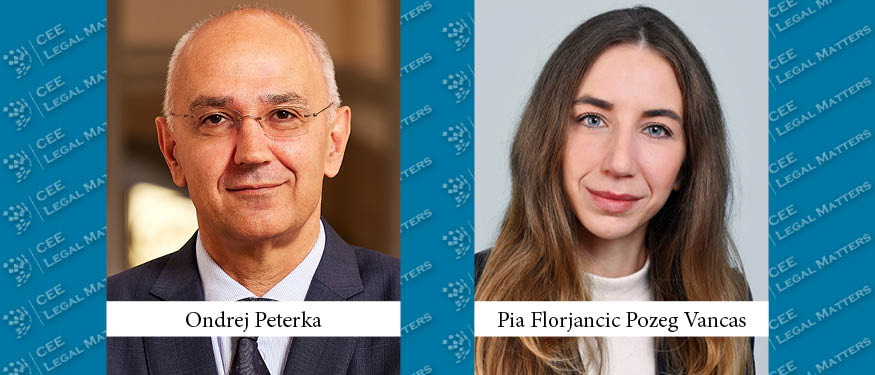
Peterka Partners is celebrating its 25th anniversary this year, and the firm recently marked a new chapter with the opening of a new office in Ljubljana, Slovenia, followed by the launch of a second office in Poland in Rzeszow. Founder and Managing Partner Ondrej Peterka and Head of the Slovenian office Pia Florjancic Pozeg Vancas talk about the strategic importance of opening a branch in Slovenia and what lies ahead.
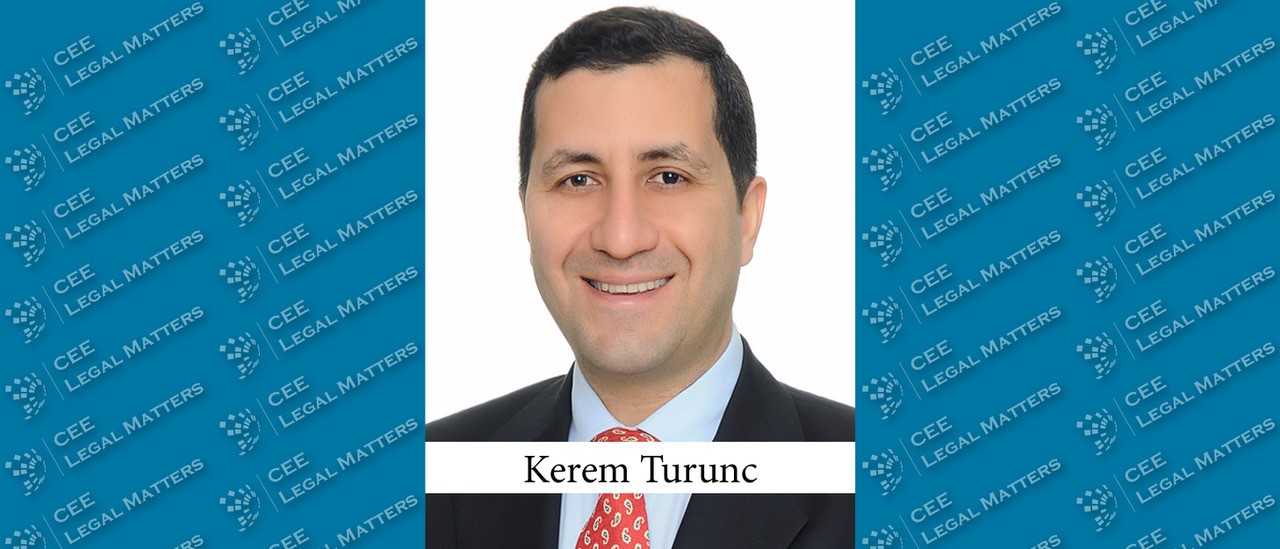
Turunc Managing Partner Kerem Turunc discusses the upcoming 2025 CEE Legal Matters Turkiye General Counsel Summit due to take place in Istanbul on November 4, 2025.
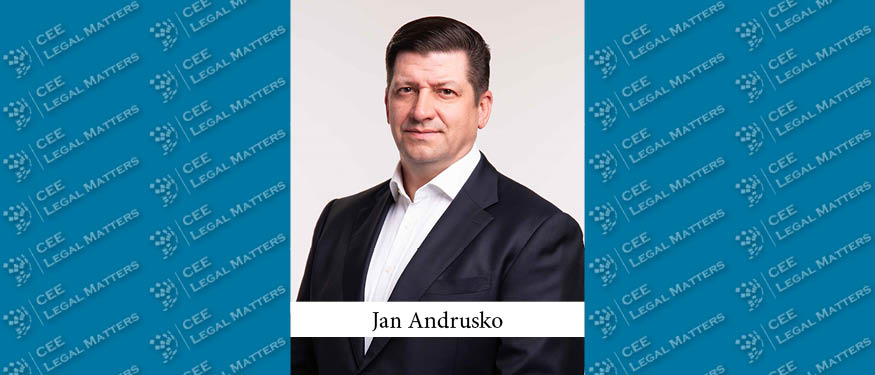
In our Looking In series, we talk to Partners from outside CEE who are keeping an eye on the region (and often pop up in our deal ticker) to learn how they perceive CEE markets and their evolution. For this issue, we sat down with Perkins Coie London-based Partner Jan Andrusko.
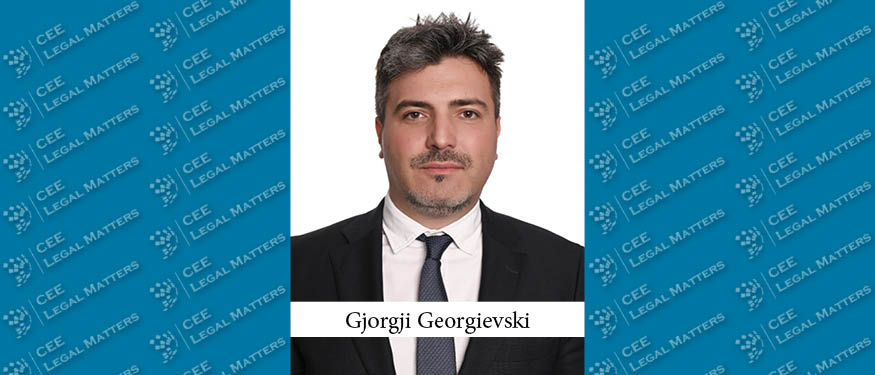
Driven largely by fresh blood in its leadership, North Macedonia’s Commission for the Protection of Competition (CPC) has been noticeably more active in the past month, according to ODI Law Partner Gjorgji Georgievski. The stage has been set for rigorous enforcement and heightened consumer protection, redefining how market players navigate compliance in the country.

An in-depth look at Emilija Apostolska of Apostolska Aleksandrovski & Partners covering her career path, education, and top projects as a lawyer as well as a few insights about him as a manager at work and as a person outside the office.
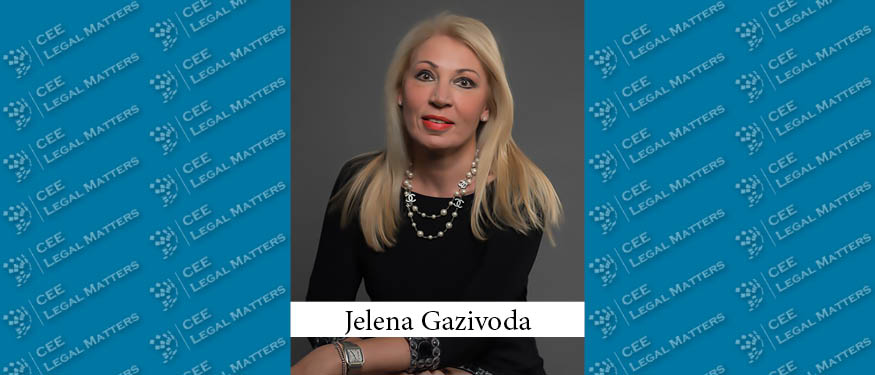
JPM & Partners’ energy practice has been busy with projects ranging from drafting Network Codes for transmission system operators, expanding Serbia's gas storage, advising on certification for and obtaining different energy licenses, and the developments of several renewable energy projects, their regulatory compliance, and risk mitigation, according to Senior Partner Jelena Gazivoda, with the current breadth and complexity of energy-related mandates stemming from a pronounced investment cycle in the energy sector of Serbia.
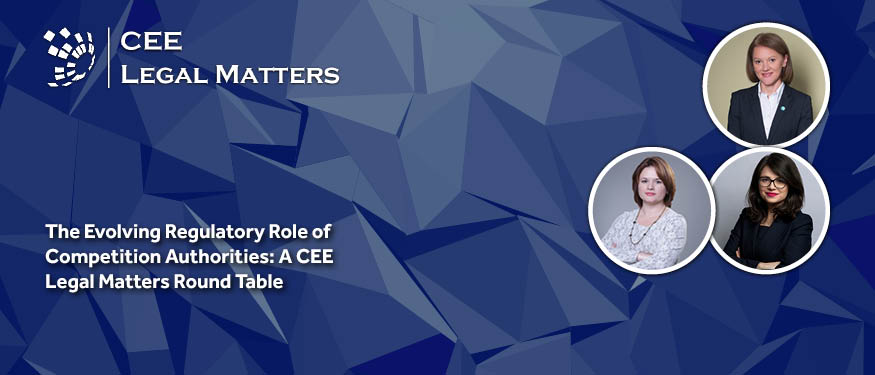
On January 16, 2025, competition experts from Moldova, North Macedonia, and Romania, sat down for a virtual round table moderated by CEE Legal Matters Managing Editor Radu Cotarcea to discuss the evolving role of the regulatory authorities in their countries.
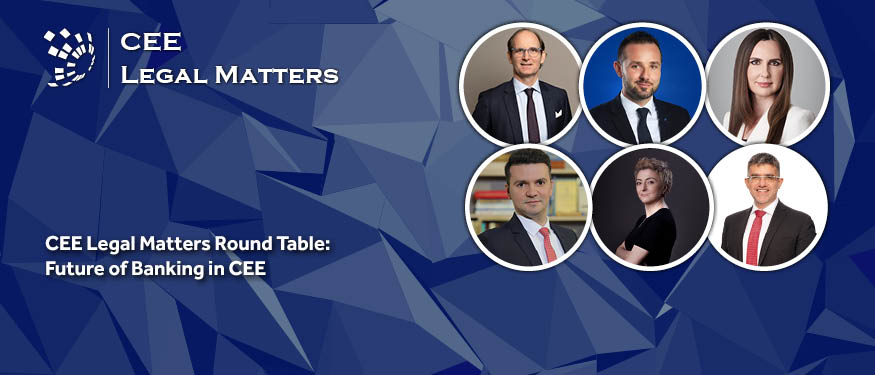
On November 14, 2024, banking and finance experts from Albania, Austria, Bosnia and Herzegovina, Bulgaria, North Macedonia, and Poland sat down for a virtual round table moderated by CEE Legal Matters Managing Editor Radu Cotarcea to discuss digitalization and the impact of tech on the banking sector in CEE.
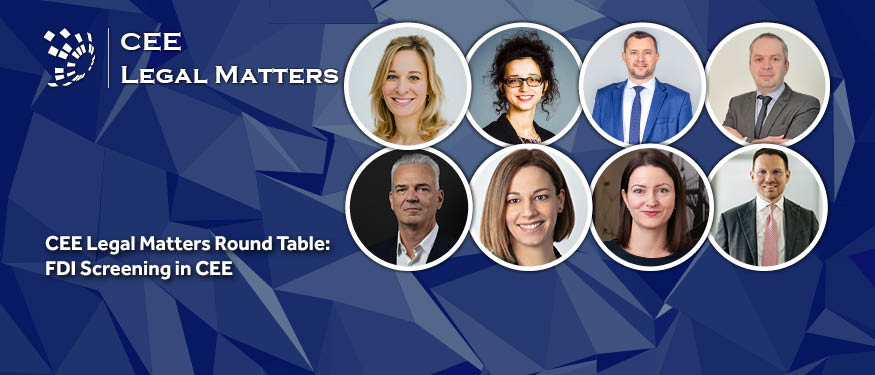
On November 7, 2024, M&A experts from Austria, Bosnia & Herzegovina, Croatia, Greece, Hungary, Moldova, Romania, and Ukraine participated in a virtual round table moderated by CEE Legal Matters Managing Editor Radu Cotarcea to discuss the FDI screening regimes in their country and key developments in the area on the horizon.

On February 29, 2024, energy experts from Bulgaria, Croatia, Moldova, Turkiye, and Ukraine sat down for a virtual round table moderated by CEE Legal Matters Managing Editor Radu Cotarcea to discuss the key developments in the field of oil & gas over the past few years.

On March 26, 2024, TMT/IP, fintech, and emerging technology experts from Hungary, Romania, and Turkiye sat down for a virtual round table moderated by CEE Legal Matters Managing Editor Radu Neag to discuss how Blockchain-related technologies, businesses, and legislation are shaping up in their jurisdictions.

On November 21, 2023, corporate/M&A and private equity experts from Bulgaria, Greece, Hungary, Kosovo, Moldova, Romania, Serbia, Slovakia, Turkiye, and Ukraine sat down for a virtual round table moderated by CEE Legal Matters Managing Editor Radu Cotarcea to discuss the key developments in the field over the past decade.
The humble "Out of Office" (OOO) reply, once a simple courtesy notice, is evolving into a powerful symbol of shifting corporate values and a frontline defense in the battle for genuine work-life balance, especially during the precious holiday season.
Everyone’s slowing down, but smart firms are speeding up. Summer is the perfect time for law firms to get noticed.
There’s plenty of chatter about marketing in law firms, but actual progress often feels stuck in first gear.
Most law firms have a thought leadership section on their website – whether it’s called “Insights,” “Knowledge Center,” “Blog,” or “Legal Updates.”
After regularly reading articles on CEE Legal Matters, one thing is clear: this platform is full of deep legal expertise.
Below is an excerpt from the Legal Automation Book: From Bottlenecks to Bots.
LCF Law Group’s Energy and Projects practice has had a busy year in Ukraine, with Partner Ivan Bondarchuk highlighting major energy infrastructure mandates – from renewables and storage to gas power plants – alongside critical road and grid projects, post-war recovery initiatives, and increasing interest from international investors preparing for the post-war market.
The humble "Out of Office" (OOO) reply, once a simple courtesy notice, is evolving into a powerful symbol of shifting corporate values and a frontline defense in the battle for genuine work-life balance, especially during the precious holiday season.
Ukraine is cautiously advancing with economic reforms, especially in governance and institutional appointments, and nurturing investor interest despite ongoing challenges, according to Avellum Managing Partner Mykola Stetsenko. Key sectors like defense and state-owned enterprises are evolving, while the legal market is becoming more professional and dynamic.
With signs of recovery evident across multiple real estate segments, Poland's property market appears to be on a positive trajectory, according to A&O Shearman Partner Michal Matera, who highlights recent deal trends, legislative developments, and the long-awaited introduction of a domestic REIT-style investment framework.
In The Debrief, our Practice Leaders across CEE share updates on recent and upcoming legislation, consider the impact of recent court decisions, showcase landmark projects, and keep our readers apprised of the latest developments impacting their respective practice areas.
Everyone’s slowing down, but smart firms are speeding up. Summer is the perfect time for law firms to get noticed.