
JPM Partners has advised MFI Flex Credit on obtaining a license to operate as a microcredit financial institution from the Central Bank of Montenegro.
 CEE Legal Matters
In-depth coverage of the news and newsmakers that shape Europe's emerging markets
CEE Legal Matters
In-depth coverage of the news and newsmakers that shape Europe's emerging markets
JPM Partners has advised MFI Flex Credit on obtaining a license to operate as a microcredit financial institution from the Central Bank of Montenegro.
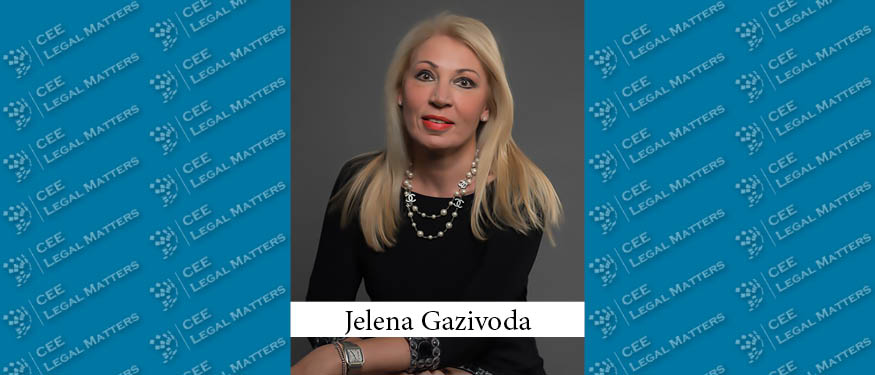
JPM & Partners’ energy practice has been busy with projects ranging from drafting Network Codes for transmission system operators, expanding Serbia's gas storage, advising on certification for and obtaining different energy licenses, and the developments of several renewable energy projects, their regulatory compliance, and risk mitigation, according to Senior Partner Jelena Gazivoda, with the current breadth and complexity of energy-related mandates stemming from a pronounced investment cycle in the energy sector of Serbia.
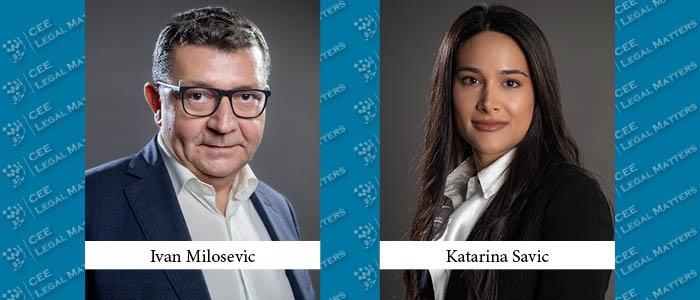
In our previous practice, we have assisted clients in the course of implementation of AI systems (“AIS”), i.e., assessment of the impact of risks of AIS, especially in the medical and research sector. While working on these projects, we came to the conclusion that many companies overlook obligations or are not even aware of risks for safety, health and fundamental human rights which are tied to the implementation and use of high-risk AIS and can result in significant compliance risks under the applicable legal framework.
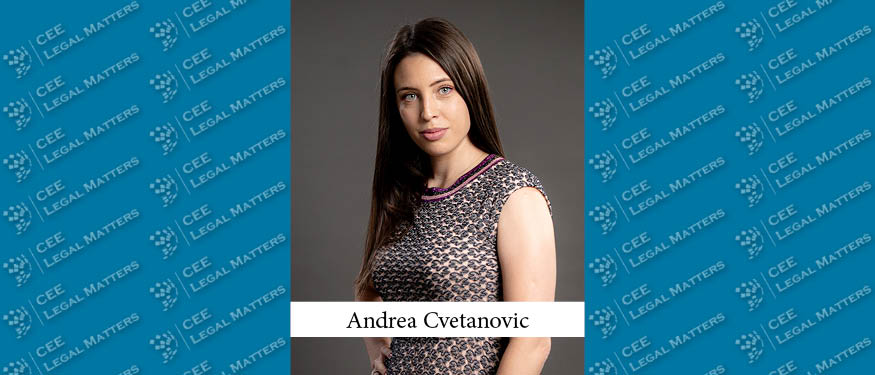
The Law on the Protection of Personal Data ("Official Gazette of RS", No. 87/2018) - hereinafter: "the Law", and following the example of the Regulation (EU) - 2016/679 - General Data Protection Regulation ("GDPR"), introduced the term and consequently the function – Data Protection Officer ("DPO").
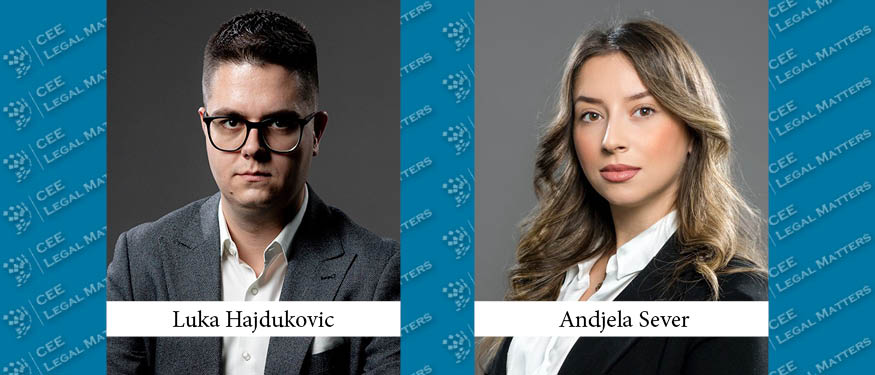
On 22 May 2025, the Republic of Serbia was officially included within the geographical scope of the Single Euro Payments Area (“SEPA”) payment schemes, becoming its 41st member.
In The Debrief, our Practice Leaders across CEE share updates on recent and upcoming legislation, consider the impact of recent court decisions, showcase landmark projects, and keep our readers apprised of the latest developments impacting their respective practice areas.

In The Corner Office, we ask Managing Partners at law firms across Central and Eastern Europe about their backgrounds, strategies, and responsibilities. This time around, we asked: For 2025, what is the one sector or industry in the country that shows the most promise for growth, and why?
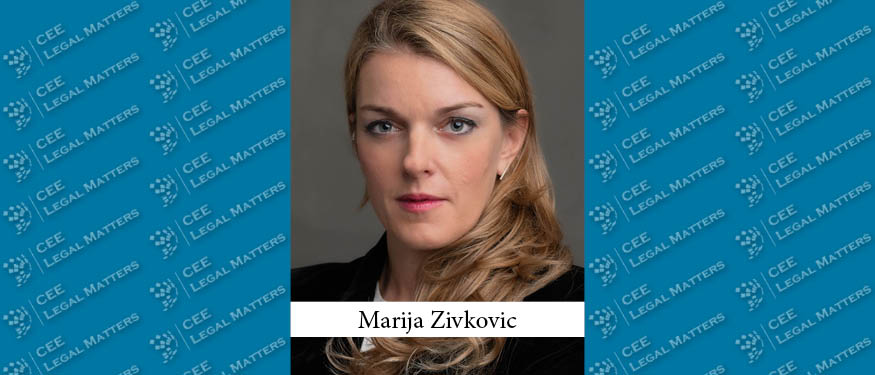
The Draft Law on Mediation in the Sale and Lease of Real Estate, following public consultation in the summer of 2023, is expected to be submitted to Parliament for adoption shortly.
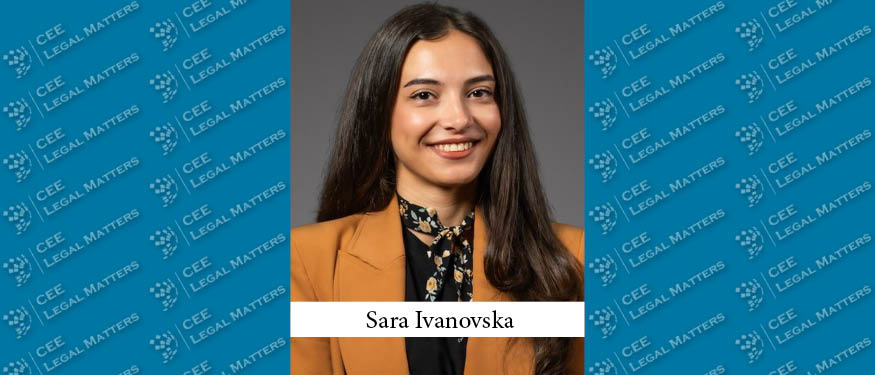
The institute of settlement, within the scope of misdemeanors, was introduced into Macedonian legislation by the Misdemeanor Act in 2019. In the context of overburdened courts, all mechanisms that facilitate judicial processes are more than welcome.
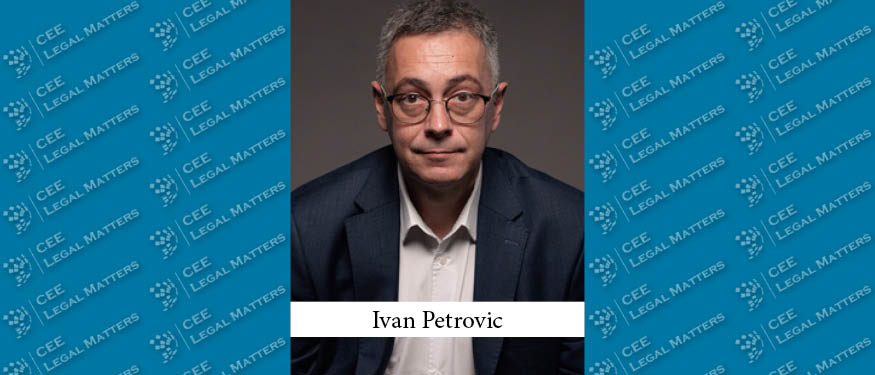
The Extension of Time (EoT) mechanism is widely used in construction contracts to account for delays beyond the contractor’s control. However, under Serbian law, EoT is not a legally enforceable right even if explicitly agreed upon by the contracting parties. Instead, the legal framework provides contractors with protection through liability release provisions rather than proactive EoT claims. While legal theory suggests that standalone EoT claims could be admissible under specific conditions, Serbian procedural law and court practice currently do not support such claims. This paper explores the interplay between contractual provisions, Serbian statutory law, and procedural rules affecting EoT claims.

With the adoption of the Law on the Central Register of Beneficial Owners (“Official Gazette of the RS”, No. 19/2025), which entered into force on 14 March 2025, the legal framework governing this area has undergone significant changes. The application of most provisions is postponed until 15 September 2026, while certain provisions are applicable earlier.
One of the most frequently asked questions by our clients during divorce proceedings concerns what exactly belongs to a spouse in relation to a company that was undoubtedly founded using the joint property of the spouses during the marriage, despite the fact that the spouse in question formally and legally does not hold the status of a founder or is not registered as the owner of a share in that company. In other words, the founding contribution amounted to 1 euro, and the company is now worth millions—what rights does each spouse have?
Expropriation is the process of taking or limiting ownership and other property rights over real estate for the purpose of realizing a public interest as defined by law. In the Republic of North Macedonia, this process is regulated by a specific Law on Expropriation.
On 17 January 2025, the Ministry of Labor, Employment, Veteran and Social Affairs of the Republic of Serbia rendered two new rulebooks in the field of occupational safety and health, the implementation of which begins on 28 April 2025, as follows:
The Serbian Competition Commission ("Commission") has published a Report on the sector inquiry of competition conditions in the private healthcare services market in the Republic of Serbia for the period from 2019 up to 2023 ("Inquiry").
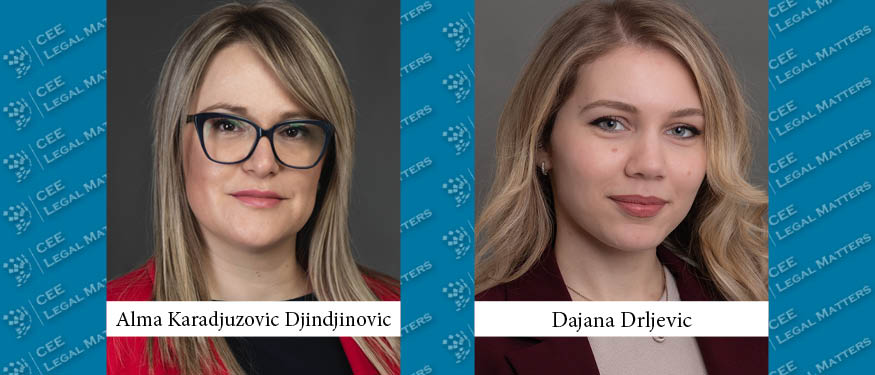
The word “fiduciary” originates from the Latin language and in translation means trust or pledge and dates back to Roman law and denotes a contract that is created when one party, the fiduciary (fiducians), hands over to another party a fiduciary (fiduciarius) something for ownership, and the fiduciary undertakes to return the same thing to the ownership of the fiduciary after the expiration of a certain term or the fulfillment of a certain condition. The fiduciary transfer of ownership rights i.e. fiduciary (“Fiduciary”) was introduced as a legal institute into the Montenegrin legal system through the Law on Fiduciary Transfer of Rights (“Official Gazette RCG No 23/96”) and after that, it continued to live under the Law on Property Relations (“Official Gazette CG No 19/09”).
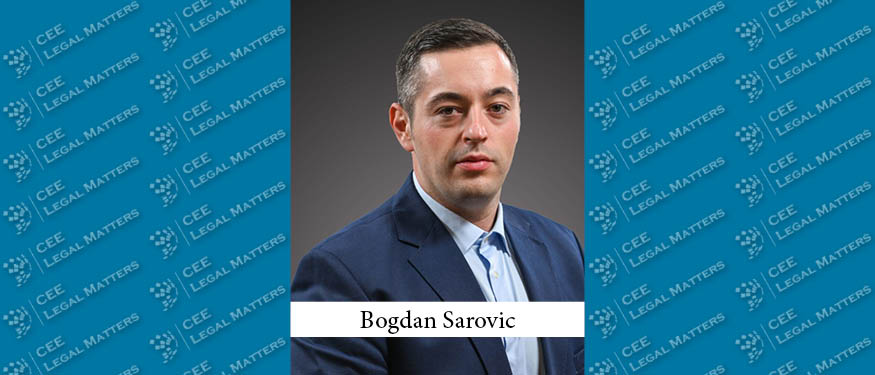
Unfair trade practices refer to deceptive, unethical, or manipulative actions carried out by businesses, that violate consumer protection laws and harm the consumers. These practices contradict professional conduct and significantly distort the economic interests and decision-making of the average consumer, often targeting vulnerable groups.
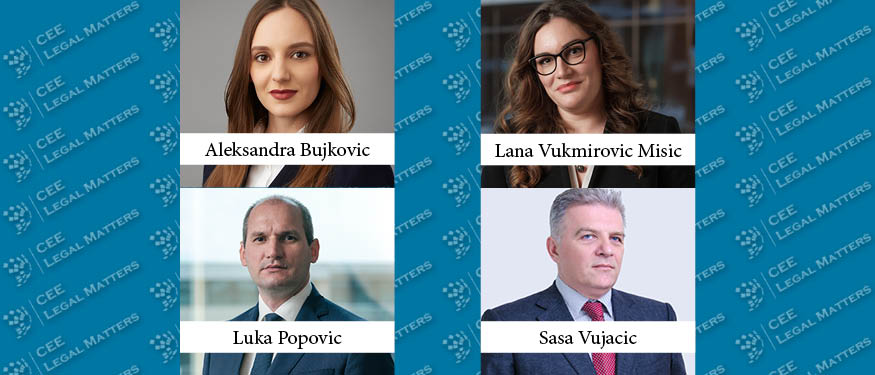
Montenegro’s real estate and hospitality sectors have been gaining momentum, driven by the country’s natural beauty, strategic location, and an increasingly favorable investment environment. Keker, Bujkovic, Pejovic Partner Aleksandra Bujkovic, JPM Partners Senior Partner Lana Vukmirovic Misic, BDK Advokati Senior Partner Luka Popovic, and Vujacic Law Office Partner Sasa Vujacic discuss the country’s competitive advantages, challenges faced by investors, and the steps needed to further enhance its appeal to foreign capital.

We are a full service commercial law firm in Serbia, with over 30 years of successful practice in SEE region and true and lasting partnerships with our clients.
Our diverse teams of lawyers are focused on practice in specific legal areas, handling some of the most high-profile multijurisdictional matters in energy, project development, mining, foreign investments, corporate and commercial. We are highly sought-after for legal advice in creative industries, environmental law and white-collar crime, as well as intellectual property, international arbitration, labor and data protection
As an exclusive member of Lex Mundi – the world’s premiere network of leading independent law firms, we interconnect and reach globally. Regionally, we advise clients in Montenegro directly, through well established partnership with ‘JPM Montenegro Partner Vukmirovic Misic law firm’ and close working relationships with selected first-rate firms in the region. Working together with our domestic and international clients on their most significant transactions and around entry to Serbian market, allows us to operate as the perfect hub for SEE and other cross-border transactions.
Our clients operate in increasingly competitive landscape and we are identifying new methods of using legal technology, to help them increase efficiency, save time and streamline work processes - document management, billing and accounting. By adopting LUMINANCE AI platform for legal professionals, we use machine-learning for contract analyses across our practice groups, as well as eDiscovery revolutionary software to simplify operations in all forms of litigation.
With exclusive access to EQUISPHERE – Lex Mundi Innovative service model, our clients can design their own legal team by choosing the best lawyers in the relevant jurisdictions, sharing documentation and communicating with all teams at any time, from a single point of contact.
Consistently recognized as a top-tier law firm, both by clients and leading independent legal directories Chambers & Partners, Legal 500 and IFLR1000, we remain committed to delivering highest quality service to our clients and help them succeed in overcoming cross-border challenges. We remain committed to continuously share our knowledge by regularly publishing articles, giving lectures and organizing international conferences.
Firm's website: http://jpm.rs/